Reading the Imprint: How to Confirm You Have the Right Propranolol Tablet

Why the Same Dose Can Look Different
A propranolol refill that arrives in a different color, shape, or size can be unsettling. The tablet is small, the dose is important, and the change may happen without warning. In most cases, the difference reflects a change in manufacturer, not a change in the prescribed dose. US pharmacies routinely dispense generic propranolol from whichever approved supplier is available, and generic products may differ in color, imprint, and dimensions while containing the same active ingredient.
That said, visual differences are exactly why tablet identification should be handled with care. Propranolol is used for several indications—hypertension, migraine prophylaxis, performance anxiety, essential tremor, and others—and doses range widely. A mix-up at home is more likely when several small tablets are stored near one another or when an older bottle remains in the cabinet. The goal is not to memorize every tablet on the market. It is to verify the product you have using reliable sources and to know when to ask for help.
What Tablets and Capsules Commonly Look Like
Propranolol is available in immediate-release tablets, extended-release capsules, and oral solutions. The immediate-release tablets are generally small and round or oval, and they are produced in multiple strengths. Colors vary by manufacturer and strength, and a given strength may appear in more than one color across different suppliers. Extended-release products are often capsules rather than tablets, and their appearance and release profile differ from immediate-release tablets. Oral solutions are measured by volume rather than counted as tablets.
Because of this variation, color alone is a poor identifier. So is shape. A small round tablet in a peach tone could be propranolol for one patient and an entirely different medication for another. The imprint—the letters and numbers pressed into the tablet—is more specific, but even imprints can be shared across products or changed by manufacturers. The most reliable approach combines the imprint, the pharmacy label, the prescribing record, and an official identification tool.
Start With the Label, Not the Tablet
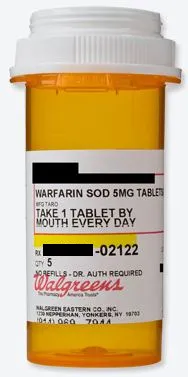
Before examining the pill itself, read the prescription label. Confirm the patient name, medication name, strength, dosage form, and directions. Check that the number of tablets or capsules in the bottle matches what the pharmacy dispensed. If the label says propranolol 20 mg tablets and the bottle contains capsules, stop and call the pharmacy. If the label is faded, torn, or missing, do not guess. Request a replacement label or a consultation.
Keep the original pharmacy packaging when possible. The vial label and accompanying paperwork provide the manufacturer name, lot number, and expiration date. These details matter if you need to report a suspected dispensing error or an adverse event. For travel or daily use, a labeled pill organizer is preferable to an unlabeled container, and it should include the medication name and dose.
Use Official Identification Tools
For tablet identification, use resources maintained by authoritative sources. The National Library of Medicine’s Pillbox tool allows searches by imprint, shape, color, and size. DailyMed provides FDA-approved labeling, including descriptions of tablet appearance for specific products. The FDA’s drug databases and manufacturer labeling can also help confirm what a particular product should look like. These tools are more dependable than random images from search engines or social media.
When searching, enter the imprint exactly as it appears, including spaces or score lines. Note the shape and color, but treat them as secondary clues. If the tool returns multiple matches, do not choose the one that seems most likely. A partial match is not a confirmation. In that situation, the pharmacist is the appropriate resource.
When to Call the Pharmacist
Contact the pharmacist if the tablet looks different from your previous supply and you were not told about a manufacturer change; if the imprint is unfamiliar, illegible, or absent; if the bottle contains tablets of different appearances; if the label and contents do not match; or if you find a loose pill in a bag, pocket, or unlabeled container. Also call if you experience unexpected effects after a refill, such as unusual dizziness, fatigue, or heart-rate changes.
Pharmacists can compare the dispensed product against the prescription record and the wholesaler information. They can also contact the manufacturer if needed. This is a routine part of pharmacy practice, not an accusation. A brief call is far preferable to taking an uncertain tablet.
What Not to Do
Do not rely on online images alone. Lighting, camera angle, and product changes can make a tablet appear to match when it does not. Do not take a pill from an unlabeled container, even if it looks like your usual medication. Do not share tablets with anyone else, and do not use leftover propranolol from an old prescription without confirming that it is current and appropriate. Do not crush or split extended-release products unless the prescribing information or your pharmacist specifically instructs you to do so.
A Simple Verification Routine
At each refill, compare the new tablets with the old supply before discarding the old bottle. Read the label aloud. Confirm the imprint using an official tool if anything looks unfamiliar. Store medications in their original labeled containers, away from heat and moisture, and keep them out of reach of children and pets. If you use a pill organizer, fill it in a well-lit area and complete one medication at a time to reduce the chance of mixing tablets.
Propranolol is a familiar medication, but familiarity can breed complacency. A deliberate check takes less than a minute and protects against the most common home medication errors. When in doubt, the pharmacist is the right call.