A Different Tablet, the Same Milligrams: Managing Generic Propranolol Changes in 2026
When the Refill Looks Unfamiliar
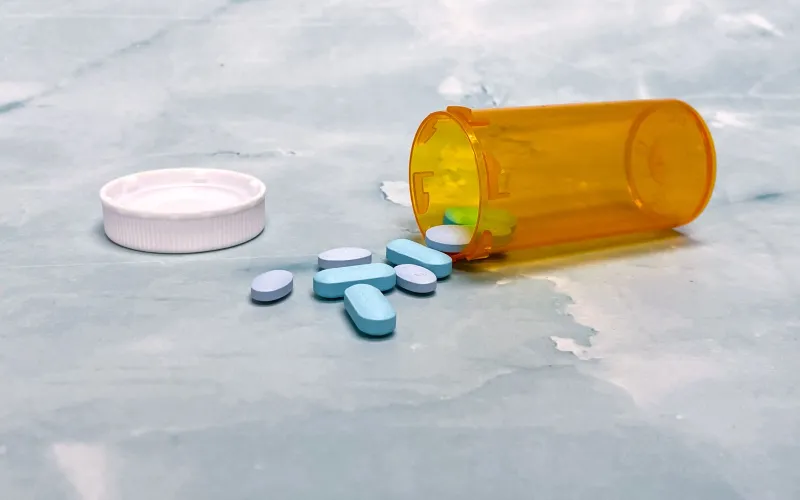
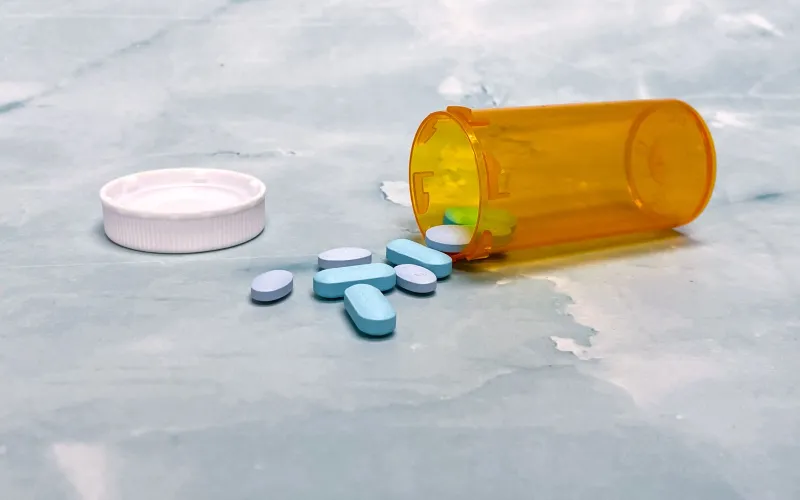
A patient opens a pharmacy bag expecting the usual small, round propranolol tablet and finds an oblong tablet in a different color. The label still reads propranolol, the strength is the same, and the directions have not changed. In the US generic market, this scenario is common. It does not automatically signal an error, but it does deserve a deliberate review.
Generic propranolol is supplied by multiple manufacturers, and pharmacies may change suppliers because of purchasing contracts, wholesaler inventory, shortages, or formulary preferences. The active ingredient remains propranolol hydrochloride, but the tablet's appearance and inactive ingredients can differ. For most patients, the switch is uneventful. For others, especially those who monitor heart rate and blood pressure closely or who take propranolol for a condition with subtle symptom changes, a structured transition is prudent.
Why the Tablet Can Change Without the Prescription Changing
A generic manufacturer must demonstrate that its product is bioequivalent to the reference drug and to other approved generics. The FDA assigns an therapeutic equivalence rating, often described as an AB rating, when products are considered substitutable. That rating supports pharmacy substitution without a new prescription in most cases.
Bioequivalence, however, is not identity. It means the rate and extent of absorption fall within accepted statistical limits, not that every tablet looks the same or uses the same binders, fillers, coatings, or colorings. A different manufacturer may use different inactive ingredients. Color and imprint changes are therefore expected parts of the generic supply chain, not proof of a manufacturing defect.
First, Verify the Basics
Before assuming the tablet is wrong, compare the new supply with the pharmacy label and the medication guide or patient leaflet. Check the following:
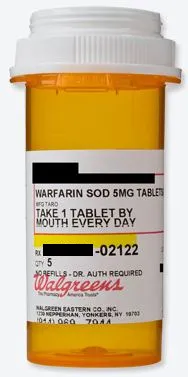
- Drug name and strength: Confirm that the label reads propranolol and that the milligram strength matches the previous prescription.
- Manufacturer and NDC: The National Drug Code helps identify the exact product. The manufacturer name may appear on the label or pharmacy receipt.
- Imprint and appearance: Note the color, shape, scoring, and imprint. A pharmacy app or pill identifier can help, but imprint tools are not a substitute for label verification.
- Quantity and directions: Confirm the number of tablets and the dosing instructions, especially if the prescription allows a range or as-needed use.
- Expiration date and packaging condition: Report torn packaging, unusual odor, or damaged tablets to the pharmacist.
Do not rely on color alone. Many strengths and manufacturers share similar colors, and a tablet that looks different may still be the correct product. Conversely, a tablet that looks familiar can belong to a different strength. The label and NDC are more reliable than appearance.
Understand What Bioequivalence Limits Mean in Practice
The FDA bioequivalence standard generally requires the 90 percent confidence interval for key measures such as peak concentration and total exposure to fall within 80 percent to 125 percent of the reference product. This is a statistical framework, not a promise that every patient will experience an identical clinical effect. Most prescribers accept this range because it has been sufficient to establish therapeutic substitutability across large populations.
A manufacturer change can still matter at the individual level. Patients with heightened sensitivity to small changes in drug exposure, or those taking propranolol for conditions where symptom control is finely tuned, may notice differences in heart rate, blood pressure, fatigue, or breakthrough symptoms. This does not mean the new generic is defective. It means the patient and clinician should observe the transition rather than assume it will be invisible.
Monitor Heart Rate, Blood Pressure, and Symptoms
During the first one to two weeks after a manufacturer change, keep a simple log if you already monitor at home. Record resting heart rate, blood pressure, and any symptoms that are relevant to your reason for taking propranolol. For example, a patient using propranolol for migraine prevention might track headache frequency. A patient using it for essential tremor might note whether handwriting or daily tasks change. A patient using it for performance anxiety might track episodes of anticipatory racing heart.
Do not adjust the dose on your own. If resting heart rate seems unusually low, blood pressure drops, dizziness increases, or your original symptoms return, contact the prescriber. If the concern is simply that the tablet looks different and the label matches, the pharmacist is usually the first point of contact.
Pharmacist or Prescriber?
Call the pharmacist when the question is about product identity, labeling, supply, or substitution. Examples include an imprint that does not match the label, a different manufacturer than expected, a refill that contains two tablet appearances, a possible inactive-ingredient allergy, or confusion about whether the pharmacy dispensed the correct strength. The pharmacist can check the NDC, review the dispensing record, and explain whether a different manufacturer is now in stock.
Call the prescriber when the question is clinical. Examples include a persistent change in heart rate or blood pressure, worsening tremor or migraine frequency, new fatigue or dizziness, breakthrough anxiety symptoms, or a need to reconsider dose or formulation. If you have a chronic condition and the manufacturer change coincides with a meaningful clinical shift, the prescriber should decide whether observation, dose adjustment, or a request for a consistent product is appropriate.
Document the Change for Future Refills
Keep a brief record in your medication log: date of fill, pharmacy, manufacturer, NDC if visible, tablet appearance, and any symptoms or measurements during the transition. This record is useful if you need to request the same manufacturer again or if a clinician asks whether a symptom began before or after the switch. Pharmacies cannot always guarantee a specific manufacturer, but they can often note a preference or explain what is available. A prescriber can also document whether a consistent product is clinically necessary.
In 2026, pharmacy apps and electronic labels make it easier to review the manufacturer and NDC before pickup, but the printed label remains the practical reference. If the tablet changes again at the next refill, repeat the same verification process rather than assuming the prior product will return.
The Bottom Line
A different propranolol tablet is usually a generic supply change, not a prescribing error. Verify the label and NDC, review the appearance, and monitor your own heart rate, blood pressure, and symptoms during the transition. Use the pharmacist for product and dispensing questions and the prescriber for clinical concerns. Documenting the manufacturer change helps make future refills more predictable and gives both clinicians and pharmacists a clearer picture if a switch ever does matter to your care.