Calm Before the Chair: Coordinating Propranolol With Dental and Minor Procedural Appointments
Propranolol is a prescription beta-blocker that many US clinicians use off-label for situational anxiety, including fear of dental work and needle-related procedures. It does not sedate in the way a benzodiazepine might, and it does not replace local anesthesia or procedural sedation. Its practical value in this setting is narrower: it can blunt some of the physical surge—racing heart, tremor, sweating—that makes a routine appointment feel unmanageable. That makes timing, not simply taking a dose, the central question.
Why the Clock Matters More Than the Pill
Propranolol is absorbed fairly quickly, but its effects are not instantaneous. Many clinicians discuss a lead time of roughly 30 to 60 minutes before a planned appointment, with some patients reporting a useful effect closer to the 45-minute mark. The exact window depends on the formulation, the dose, the patient's sensitivity, and whether the medication is being used regularly or only for occasional situations.
A dose taken too early may peak before the patient is in the chair. A dose taken too late may not have enough time to produce the intended effect. The goal is not to arrive heavily medicated; it is to arrive with a steadier heart rate and less tremor so that the appointment can proceed without a panic-driven delay.
This is a conversation to have with the prescribing clinician, not a schedule to copy from another patient. Propranolol dosing for performance-type anxiety is individualized, and the same 10 mg or 20 mg dose can feel different depending on body weight, baseline blood pressure, other medications, and whether the patient has eaten.
The 30-to-60-Minute Conversation
A practical plan usually answers four questions before the appointment:
- What dose has the clinician approved for this specific situation?
- What time should it be taken relative to the scheduled procedure?
- Should the patient eat beforehand, and are there any medications or supplements to avoid?
- What should the patient do if the appointment is delayed by 30 minutes or more?
Delays are common in dental offices and procedural suites. A patient who took a dose at 8:00 a.m. for a 9:00 a.m. cleaning may still be waiting at 9:45 a.m. In most cases, the answer is not to take a second dose. Instead, the patient should notify the front desk or clinical team that the medication was taken earlier and ask whether the clinician wants to proceed, wait, or reschedule. Doubling up without guidance can lower blood pressure and heart rate more than intended.
Local Anesthetics Containing Epinephrine
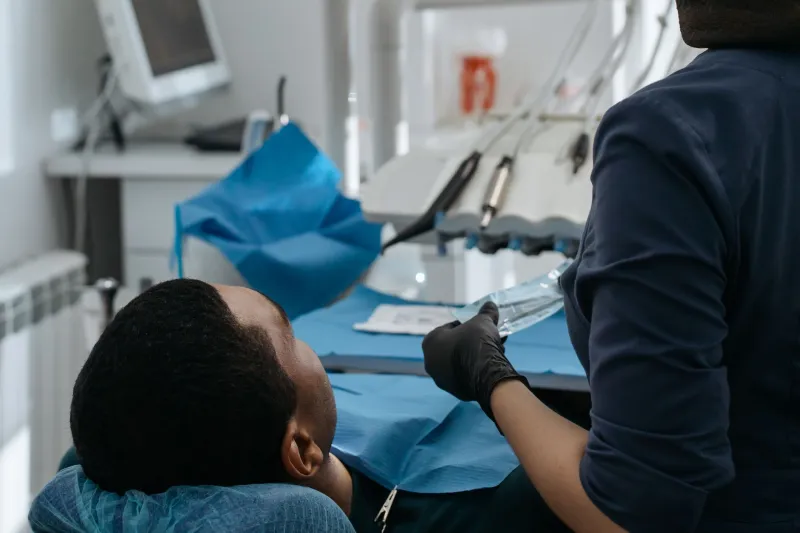
Dental work and minor procedures often involve local anesthetics that contain epinephrine. Epinephrine is added to prolong numbness and reduce bleeding, but it also affects heart rate and blood pressure. A beta-blocker can change how those cardiovascular signals appear, which is why disclosure matters.
The concern is not that every patient on propranolol must avoid epinephrine-containing local anesthesia. Many patients receive both without incident. The concern is that the dental or procedural team should know the patient is taking a beta-blocker, especially if the patient has a history of low blood pressure, slow heart rate, asthma, or unusual reactions to local anesthesia.
Patients should not ask the dentist to omit epinephrine simply because they take propranolol. That is a clinical decision. The better approach is to state the medication, the dose, and the time it was taken, then let the treating clinician decide whether to adjust the anesthetic choice or monitor the patient more closely.
Blood Pressure and Heart Rate Checks
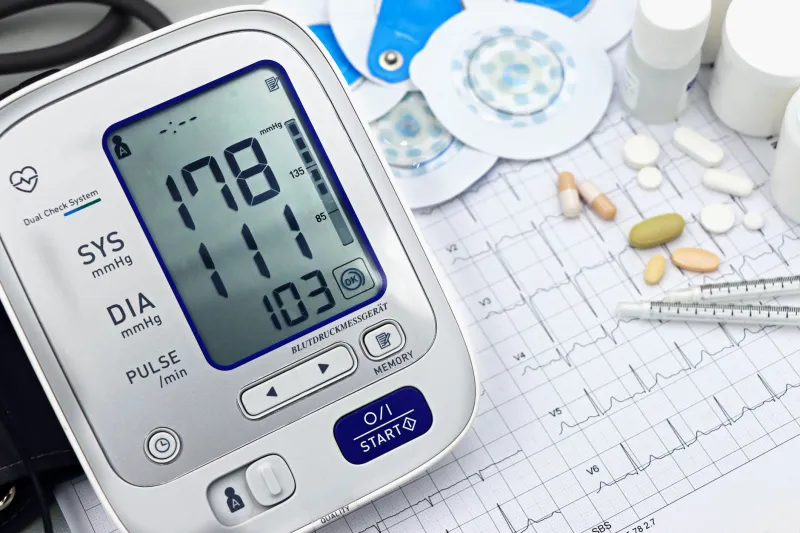
Propranolol lowers heart rate and blood pressure in many patients. A dental office may check vital signs before a procedure, particularly for patients with a known cardiovascular history or those taking antihypertensive medication. A resting heart rate in the low 50s or a systolic blood pressure reading that is lower than usual is not automatically dangerous, but it is information the team should have before adding a stimulant-containing local anesthetic or proceeding with a longer appointment.
Patients who monitor their blood pressure at home can bring a recent reading, but they should not delay an urgent procedure to conduct a self-directed medication experiment. If the patient feels dizzy, unusually weak, or faint before the appointment, the procedure should be discussed with the clinical team rather than pushed through.
What to Tell the Dental or Procedural Team
A concise medication briefing is more useful than a long explanation. The patient can say: I take propranolol. My prescribed dose is X. I took it at Y time today. My prescribing clinician approved this plan for procedure-related anxiety. I have or have not had problems with epinephrine-containing numbing medication before.
The patient should also provide a current medication list, including over-the-counter products and supplements. If the patient is unsure whether propranolol was prescribed for blood pressure, migraine prevention, tremor, or situational anxiety, the prescribing clinician's office can clarify. The dental team does not need the entire history, but it does need to know that a beta-blocker is active and when the last dose was taken.
A Practical Checklist for Appointment Day
- Confirm the dose and timing with the prescribing clinician before the appointment.
- Take the medication only as directed; do not add an extra dose because the appointment is delayed.
- Bring a medication list and note the time of the last dose.
- Tell the dentist or procedural team about propranolol before local anesthesia is administered.
- Ask whether the team prefers to record blood pressure and heart rate before the procedure.
- Avoid alcohol and unnecessary stimulants before the appointment unless the clinician has said otherwise.
- If sedation is planned, confirm transportation arrangements and fasting instructions with the procedural team.
When Not to Self-Adjust
Propranolol is not a rescue medication for a panic attack that has already started, and it is not a substitute for behavioral treatment or a detailed conversation with a dentist about pain control. Patients should not borrow propranolol from someone else, split tablets unless the prescription label instructs them to, or stop a regularly scheduled beta-blocker abruptly before a procedure. Rebound effects are possible with sudden discontinuation, particularly in patients who take propranolol for cardiovascular reasons.
If a patient is filling a prescription before a planned appointment in 2026, it is reasonable to confirm that the pharmacy has the prescribed strength and to check the expiration date on any existing supply. The larger point, however, is coordination: the prescription, the appointment time, and the procedural team's safety checks should all be part of one plan.