The Wrist-Based Witness: Interpreting Wearable Heart-Rate Trends During Propranolol Therapy
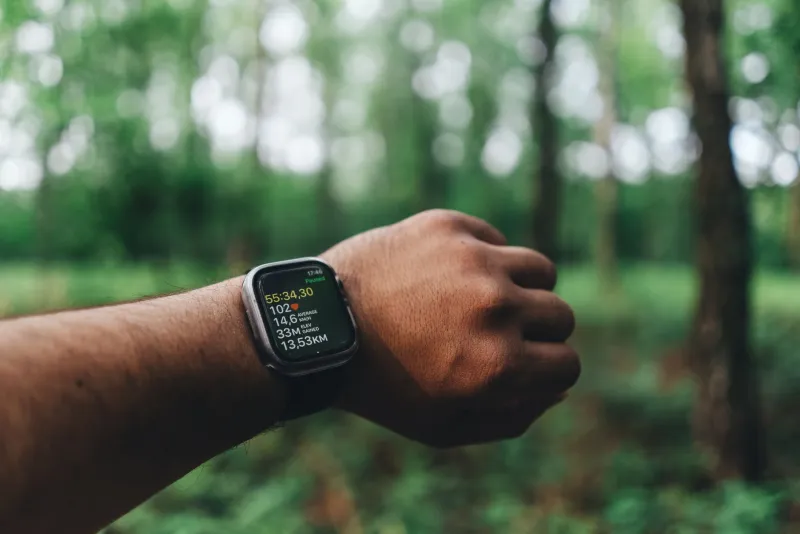
When the Device Becomes Part of the Conversation
Wearable health technology has changed the ordinary office visit. A patient who takes propranolol may now arrive with weeks of resting heart-rate graphs, sleep summaries, workout traces, and readiness scores rather than a single clinic reading. That information can be valuable. It can also be misleading when interpreted without context, particularly because propranolol is a beta-blocker that predictably slows heart rate and can blunt the heart-rate response to exercise.
For US patients using an Apple Watch, Oura Ring, Whoop strap, Garmin device, or similar product, the central question is not whether the numbers look different from before. The better question is whether the pattern is expected, stable, and consistent with how you feel. Wearable data should support clinical judgment, not replace it.
Why Propranolol Changes the Numbers
Propranolol blocks beta-adrenergic receptors, including those that help drive heart rate. As a result, resting heart rate often falls, and the usual rise during exertion may be smaller than it once was. A device may record a lower morning resting rate, a less dramatic peak during a brisk walk, or a slower return toward baseline after activity. These effects are generally part of the drug's expected pharmacology, though the size of the change varies by dose, formulation, timing, fitness level, and individual sensitivity.
Immediate-release and extended-release propranolol can produce different daily patterns. If a dose is taken shortly before a workout, the heart-rate curve may look flatter than it does on a day when exercise occurs later. None of this means the wearable is malfunctioning. It means the device is measuring a cardiovascular system under beta-blockade.
Optical wrist and finger sensors also have limitations. They estimate heart rate from blood-flow signals, and accuracy can decline with cold hands, poor skin contact, motion, tattooed skin, or a loosely fitting band. A single odd reading is rarely meaningful. A sustained trend, especially one accompanied by symptoms, deserves attention.
Expected Trends Versus Warning Signs
A lower resting heart rate is common on propranolol, but not every low reading is benign. The distinction is symptoms. Expected beta-blockade generally leaves a person feeling well: no fainting, no unusual confusion, no marked exercise intolerance beyond what the prescriber anticipated. Warning signs include dizziness or lightheadedness that does not resolve, near-fainting or fainting, unusual fatigue, shortness of breath at rest or with minimal activity, chest pain, confusion, or a heart rate that feels inappropriately slow for the situation and is accompanied by symptoms.
Symptomatic bradycardia is a clinical concern, not a wearable diagnosis. If a device shows a very low rate alongside concerning symptoms, seek urgent medical care rather than waiting for the next routine appointment. In an emergency, call 911 in the United States. Do not attempt to compensate by skipping or doubling a dose without instructions.
It is also important not to overinterpret exercise heart rates. Propranolol can make standard age-based heart-rate targets less reliable. A device may show a lower peak during exercise even when exertion feels appropriate. Conversely, a person may feel more tired at a heart rate that previously felt easy. The talk test and perceived exertion can be useful adjuncts, but exercise plans should be discussed with a clinician when heart-rate zones matter.
Reading the Trend, Not the Moment
Wearables are most useful when they show patterns over time. A reasonable approach is to review resting heart rate across days and weeks, note the timing of propranolol doses, and flag recurring symptoms rather than isolated anomalies. Sleep data, respiratory rate, and activity minutes can add context, but they should not be treated as stand-alone evidence of a medication problem.
Apple Watch users may see high-heart-rate and low-heart-rate notifications. Oura and Whoop users may see readiness or recovery scores that shift with resting heart rate and heart-rate variability. These features are screening prompts, not diagnoses. A low-heart-rate notification during sleep may be meaningful in one person and unremarkable in another, especially when beta-blockade is intentional. The prescriber needs the trend, the symptoms, and the medication schedule together.
Caffeine, alcohol, dehydration, illness, heat, and poor sleep can all alter wearable readings. A single night of poor sleep or a febrile illness may produce changes that have nothing to do with propranolol. Before drawing conclusions, look for repetition and for a plausible explanation.
How to Present Device Data to a Prescriber
Bring concise information. A dated list of symptoms is more useful than a screenshot of every graph. Note the propranolol formulation and dose, the times taken, and any missed or extra doses. Record the device type and how it was worn. If possible, include a short summary of resting heart-rate ranges, exercise heart-rate patterns, and the specific dates when symptoms occurred.
Describe what you felt, not only what the device displayed. For example: lightheadedness on standing for three mornings after a dose increase, or unusual breathlessness during a usual walk. Ask directly whether the pattern is expected and whether the current dose remains appropriate. Do not ask the device to make the decision.
The Bottom Line
Wearables can make propranolol therapy more transparent, but they can also create false precision. A lower resting heart rate and a blunted exercise peak are common and often expected. Symptomatic bradycardia, fainting, chest pain, or unexplained breathlessness are not trends to watch at home. Use the device as a witness, not as a prescriber, and keep dose changes in the hands of the clinician who knows your history.